In recent years, interior design has grown far beyond its traditional roots. Today, it’s not just about making spaces look beautiful—it’s about functionality, identity, and creating environments that influence how people live, learn, and work. Whether you’re experimenting with modern kitchen interior design ideas, exploring bohemian style interior design, or seeking room drawing ideas for your next creative project, interior design now plays a critical role in industries ranging from business and education to hospitality and wellness.
This article takes a closer look at current design ideas, their broader scope, and how they’re shaping industries in impactful ways.
Modern Interior Design: A Reflection of Changing Lifestyles
Our homes and workspaces are evolving rapidly, and interior design is adapting to these shifts. Designers are now focusing on user-centered spaces—functional, adaptable, and aligned with the personal and cultural needs of the people who use them.
Let’s start with one of the most transformed spaces in contemporary homes: the kitchen.
1. Modern Kitchen Interior Design Ideas: Form Meets Function
The kitchen is no longer just a place to cook—it’s often the heart of a home. Today’s modern kitchen interior design ideas embrace sleek finishes, open layouts, smart appliances, and minimalist aesthetics.
Here are some current trends:
- Open Shelving: Makes spaces feel larger and showcases personality.
- Smart Storage: Pull-out cabinets, corner drawers, and integrated organizers.
- Mixed Materials: Wood, marble, steel, and matte finishes combined for a modern look.
- Color Accents: Bold backsplashes or statement lighting for visual contrast.
- Eco-Friendly Design: Sustainable materials and energy-efficient lighting and appliances.
Businesses in real estate, home automation, and modular furniture are actively collaborating with designers to implement such ideas, helping them cater to the needs of today’s conscious consumers.
2. Bohemian Style Interior Design: Creativity Without Rules
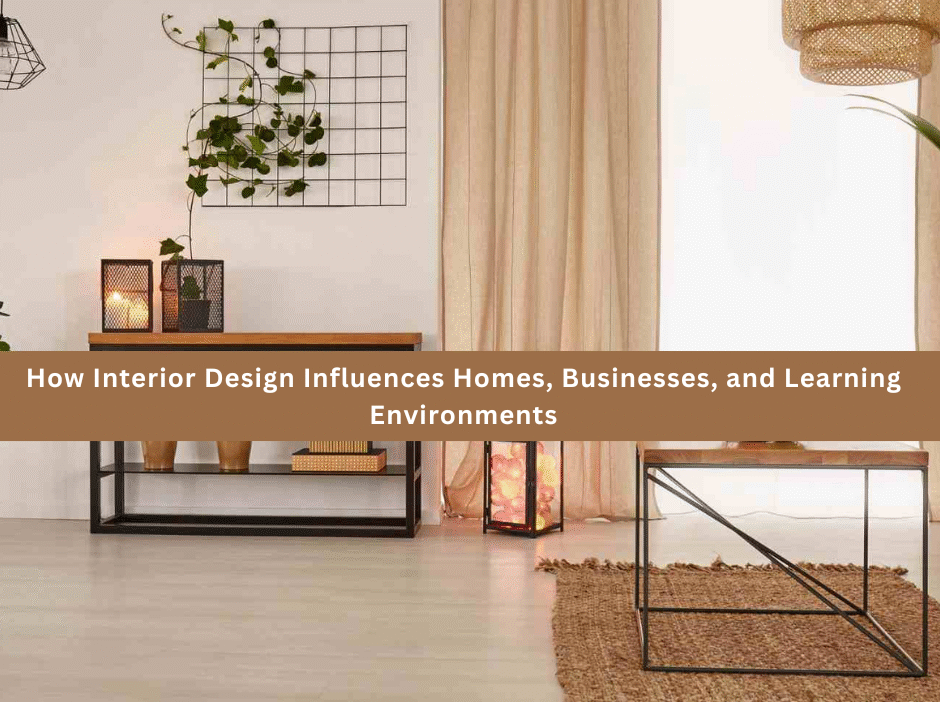
Unlike minimalist trends, bohemian style interior design is all about layering textures, patterns, and colors. It allows for a free-spirited, artistic expression that appeals to those who value individuality.
Key elements of boho interiors include:
- Natural Materials: Rattan, jute, cotton, and wood.
- Global Influences: Moroccan rugs, Indian textiles, African masks, and tribal art.
- Plants Everywhere: Indoor greenery is a staple in bohemian spaces.
- Handmade & Vintage Finds: Adds character and a sense of story.
This design style is gaining popularity in creative industries such as boutique hospitality, wellness centers, and co-working spaces. Its relaxed, vibrant appeal fosters comfort, inspiration, and inclusivity—values many modern workplaces aim to reflect.
3. Room Drawing Ideas: The Creative First Step
Before transforming any space, design begins with a concept—often visualized through sketches. Room drawing ideas are essential for planning layout, furniture placement, lighting, and color palettes.
Some easy and creative room drawing ideas include:
- Mood Boards: Mix of swatches, textures, and color schemes to visualize ambiance.
- Hand Sketches: Helps in brainstorming spatial flow and focal points.
- Digital Floor Plans: Tools like SketchUp, AutoCAD, or Canva to design 2D or 3D layouts.
- Thematic Concepts: Drawing based on a theme (e.g., “nature-inspired”, “urban industrial”).
These visual tools are not only helpful for interior designers but also valuable in business planning, event management, and educational projects. For example, institutions use design drawing techniques to create engaging learning environments, while retail brands use them to design customer-focused store layouts.
Scope and Opportunities in Interior Design
Interior design is now a booming global industry with a wide range of career paths and interdisciplinary applications. Professionals can work as:
- Residential or Commercial Interior Designers
- Kitchen and Bath Designers
- Set Designers for TV, Film, and Theatre
- Furniture or Product Designers
- Interior Stylists or Visual Merchandisers
Beyond traditional roles, the demand for design thinking in business innovation, educational space design, and corporate branding has grown significantly. Companies are hiring design consultants to create environments that boost productivity, well-being, and brand experience.
Interior design also intersects with technology through smart home systems, augmented reality visualizations, and virtual walkthroughs—creating new roles and tools for the next generation of designers.
Impact of Interior Design Across Industries
Interior design doesn’t just influence homes; it shapes experiences across sectors:
- Business & Management: Office interiors now focus on collaboration, wellness, and employee retention.
- Healthcare: Healing environments with biophilic elements and thoughtful lighting.
- Education: Classrooms designed for engagement, flexibility, and inclusive learning.
- Hospitality: Unique interiors are a brand’s biggest differentiator.
- Retail: Store layout and visual merchandising directly affect buying behavior.
Design is now seen as a strategic tool that can influence mood, behavior, and decision-making—making it a powerful asset in any industry.
Final Thoughts: Design as a Living Process
Whether you’re exploring modern kitchen interior design ideas for your dream home, experimenting with bohemian style interior design for a creative project, or sketching out new room drawing ideas—interior design continues to evolve as a multidisciplinary, impactful practice.
Its applications go far beyond decoration. It shapes how people live, work, learn, and connect. As industries recognize the value of well-designed spaces, the future for interior designers is more promising—and more diverse—than ever.